
Psilocybin Therapy: Weighing the Benefits and Risks
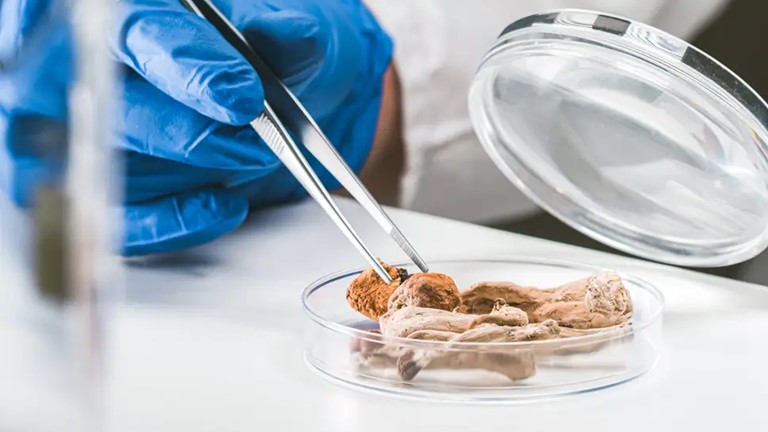
Psilocybin, the active compound found in certain species of mushrooms, is an emerging mental health treatment that more and more researchers and clinicians are paying attention to. Today, psilocybin is being studied in controlled clinical settings as a potential treatment for conditions like depression, anxiety, PTSD, and addiction. Recent trials have shown promising results, and some participants experienced significant symptom relief after just one or two guided sessions. But as with any new treatment, psilocybin therapy comes with its own set of complexities, unknowns, and legal considerations. Learn more about the benefits of this approach, as well as the potential risks of psychedelic treatment.
What Is Psilocybin Therapy?
Psilocybin, also known as “magic mushrooms,” is a naturally occurring, psychedelic substance that leads to hallucinogenic effects. Psilocybin therapy, then, involves giving this substance in a supervised, therapeutic environment. Unlike recreational use, therapy sessions are structured and guided by mental health professionals. The ultimate goal is that psychedelic experiences will help facilitate emotional healing and personal growth.
Get to Know the Potential Psilocybin Therapy Benefits
This treatment is a very new approach to mental health care, but research studies and some patients are already reporting potential psilocybin therapy benefits. Clinical psychedelic therapy may have the following advantages for some patients:
Depression Relief
Some folks with depression just don’t find relief from typical medications and therapy sessions. However, research on psilocybin therapy has revealed that the substance can lead to quick and consistent reductions in depression symptoms. Some patients report feeling more open, connected, and hopeful after sessions.
Reduced Anxiety in Terminal Illness
For those facing life-threatening diagnoses, the constant anxiety can be overwhelming. Research has shown that psilocybin-assisted therapy may help patients come to terms with mortality, reduce fear, and improve quality of life during their remaining time. When supervised by a mental health professional, these sessions may lead to significant shifts in perspective and help people face their fears about the uncertainty to come.
Support for Addiction Recovery
Some evidence suggests that clinical psychedelic therapy may help people overcome substance use disorders, including alcohol and nicotine dependence. Seemingly, psilocybin can help patients break free from destructive patterns and gain insight into the root causes of their addiction. Some patients report feeling more empowered to make difficult lifestyle changes after psilocybin therapy.
Enhanced Emotional Processing
If you’re dealing with trauma or PTSD, psilocybin may help temporarily relieve the mental and emotional effects. Psilocybin reduces activity in the brain’s default mode network and makes it possible for people to revisit difficult memories without feeling overwhelmed. When used alongside traditional therapy, this approach may facilitate quicker emotional processing and healing.
Are There Risks of Psychedelic Treatment?
As with any other mental health treatment, there are pros and cons to psilocybin. Research shows the potential for some risks of psychedelic treatment in certain patients. Be aware of these drawbacks:
Psychological Distress During Sessions
While many people report positive experiences, psilocybin can also trigger intense fear, confusion, or paranoia. This can be distressing, particularly for folks with a history of psychosis or severe mental illness. Proper screening, preparation, and therapeutic support are essential, and always tell your provider if you have any concerns. A safe environment can make all the difference.
Potential for Psychotic Episodes
Like other mental health medications, psilocybin is not suitable for everyone. People with a personal or family history of schizophrenia or bipolar disorder may be more prone to psychotic episodes or manic states after therapy. Your provider should conduct a thorough psychological assessment before ever beginning psilocybin therapy to avoid this risk.
Lack of Long-Term Data
While short-term studies are encouraging, we still lack comprehensive data on the long-term effects of psilocybin therapy. Researchers have lots of lingering questions about how long the benefits last and whether there could be long-term side effects.
Who Might Benefit from Psilocybin Therapy?
Could psilocybin therapy be right for you? While not everyone will benefit from this treatment approach, it might be worth considering if you:
- Have not responded to traditional treatments for depression or anxiety
- Are dealing with existential distress related to a terminal diagnosis
- Struggle with addiction and are open to alternative approaches
- Are interested in deep psychological exploration and personal growth
What to Expect in a Psilocybin Therapy Session
If you decide to pursue psilocybin therapy with a licensed provider, it’s helpful to know what to expect. After all, you’ll need to take steps to prepare in order to maximize the benefits of your session. Here’s what a typical psilocybin therapy appointment could look like:
- Preparation—First things first, you’ll meet with your therapist to discuss your goals, medical history, and any concerns surrounding your mental health and psilocybin. They might give you specific instructions to prepare for your upcoming session.
- The Session—On the day of the session, you’ll take a controlled dose of psilocybin in a comfortable, supportive environment. A professional will be present throughout the entire appointment to make sure you’re comfortable with the experience.
- Integration—In the days and weeks following the session, you’ll work with your therapist to process the experience and apply your new insights to your daily life.
Is Psilocybin Therapy Right for You?
Dealing with depression, anxiety, or PTSD is no easy feat. Psilocybin therapy is an exciting new treatment that may work for folks who haven’t found relief from more traditional treatments. While MindWell Urgent Care cannot offer this approach at our Texas office, we are still happy to help patients explore alternative treatments. We welcome you to schedule an appointment in-person in Dallas, TX, or see us via telepsychiatry from Oklahoma, New Jersey, Florida, or Kansas.
Note: Psilocybin therapy is not currently legal in Texas. If you are a Texas resident interested in exploring this treatment, it is not available through licensed providers within the state. Residents of other states should check their local regulations to determine whether psilocybin therapy is permitted by licensed mental health professionals in their area.